Swaranprashan


Sunrise to sunset – The solar energy from sun changes like clockwork with each passing hour
Circadian rhythms:-The lifestyle you choose determine whether your biological clocks will turn on and off in a sync with natures light dark cycles
As Sun moves through sky solar rays changes specific solar rays turns our biological clock on and off at perfect time for us to get the most out of our exercise,meals, sleep, mental focus, immune system and so much more
AYURVED AND SUNLIGHT:-
KAPHA ,PITTA,VATA
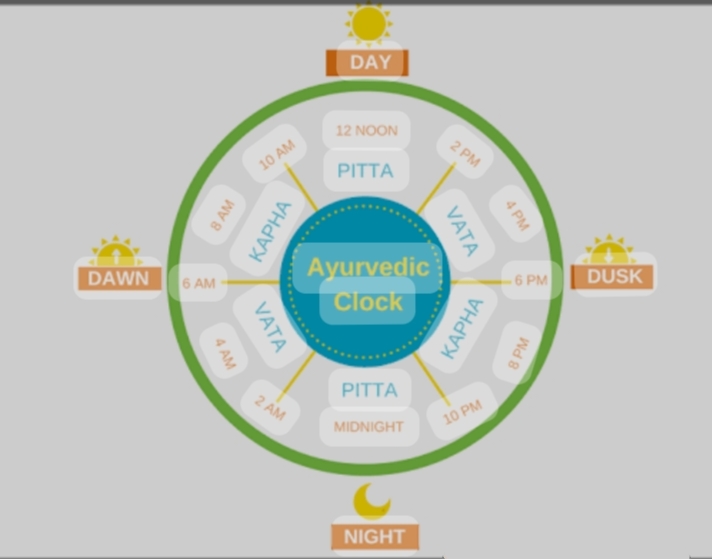
Solar rays increase ‘kapha'(earthy) qualities in mid morning and sun rises to mid day solar heat increases ‘pitta’ (fire energy) finally as the sun sinks into the horizon ‘vata’ become more abundant
AYURVEDIC CLOCK:-
1.KAPHA(6:00AM TO 10:00AM):-
Blue hour included blue and violet light because blue has shorter wavelength and faster frequency
Researcher shows that blue light is an inhibitor of melatonin- the hormone that keeps us asleep at night as melatonin in order to wake up as both mentally and physically and helps us to transition from early morning vata to lay lit kapha
Blue light can balance is anxiety and depression which is much needed to start the day
KAPHA TIME AND SUNRISE:-
One hour before sunrise is a blue hour which scattered blue light shutts off melatonin production and UV radiations production is blocked.white, red and infrared light shine boosting muscular strength and mitochondrial energy that balances kapha during morning hours
2.PITTA-(10:00am to 2pm):-
UV radiations finally able to penetrate the atmosphere in fully force and activate vitamin d production in skin which produces pitta energy.
UV radiation can be pitta pacifying and treat skin diseases like psoriasis and dermatitis but can be aggrevating and in excess causes skin cancer but it is all of a matter of exposure.
Blue light at the mid day is scattered turning the sky bright blue and cooling pitta. This can energize ithe body functions.
Red blue green light during mid day combined to make invisible white light that balances pitta while boosting mood and alertness
3.VATA(2pm to 6pm)
The white light illumes the earth in afternoon increases vata which is why Ayurved suggest that rate afternoon is the best time for mental activities At this time of the day Sun begins its afternoon push to horizon UV light steadily blocked by atmosphere which reduces vata(2 to 6:00 p.m. )and initial stages of kapha starting( 6:00 p.m.)
VATA AND SUNSET:-
.
Daytime exposure to white light, blue light, UV and infrared light all build energy that increases vata.
full days exposure to Red and infrared light boost mitochondrial energy which stimulates vata.
As the sun descends calming vata by atmosphere
HOW SUN EXPOSURE HELPS YOU SLEEP:-Melatonin production to infrared exposure sun could be your fast medicines for sleep:-

One one hand – Latest technology and digital controls reduced human efforts to greater extent
On another hand sluggishness in physical activities and authenticity of an Indian food extinct leads to new diseases emerging
Treasure of Ayurved has precious knowledge of Ritucharaya
Follow Ahar(food) vihar(lifestyle) according to changing season
Total six ritucharayas in a year
Highlight the sharad Ritu features:-
(from 15 September to 15 November) as per Calender
*Bal:- madhyam (medium)
*Sky:-Blue and white clouds
*Earth:-Slightly muddy
*crane birds Start flying
*Lotus begins to bloom
According to ayurved in sharad Ritu(Autumn season):-
Pit dosh exaggerated which was accumulated in last season( varsha ritu/rainy season)
AHAAR (FOOD) TO BE CONSUMED IN SHARAD RITU:- Shali rice , barley, sathi rice,milk ,moongdal, sugarcane,amla, raisins,patol,parval,meat of deer & rabbit, honey water and HANSODAK
WHAT is HANSODAK-:
acharya charak and vagbhatt mentioned about the water of sharad Ritu called HANSODAK
iit is the purest form of Water gets heaten up by fierce rays of sun during day time and during night it gets cold due to gentle mooning
HANSODAK IS FREE FROM TOXIC ELEMENTS WHICH PACIFY THE DOSHAS USED AS DRINKING SWIMMING AND BATHING
VIHAAR (LIFESTYLE) -:
*Apply Lep of chandan usheer and kapuur
*Wear garland of pearls
*Light coloured and clean clothes
*Consuming cool rays of moon at late evening
PANCHAKARMA THERAPIES-: virechan karma (purgation) and Raktmokshan(blood letting)
Contraindicated ahaar and Vihar during sharad ritu
*Consumption of oily diets,meat of fish,curd ,strong alcohol , alkaline water and food should be avoided
*prolonged exposure to sunlight and wind from east direction should be avoided
.*Night awakening, sleeping in day time,
sexual intercourse should be prohibited
Don
For more information regarding what to eat when to eat and medicines as well contact Dr.Gurmeen kaur Ahuja 8209517627
*Balanced lifestyle
*Self discovery by mind body practices
*Herbal remedies
*Understanding your prakruti
.
-Balanced वात-
Creativity
Intuitions
Flexibility
Good functioning of organs
Smooth body functions
Good spirituality
-Imbalnced वात
Fear
Anxiety
Loneliness
lack of control
Mood swings
Isolation
-Balanced पित
Courage
Confidence
leadership
intelligence
satisfaction
enthusiasm
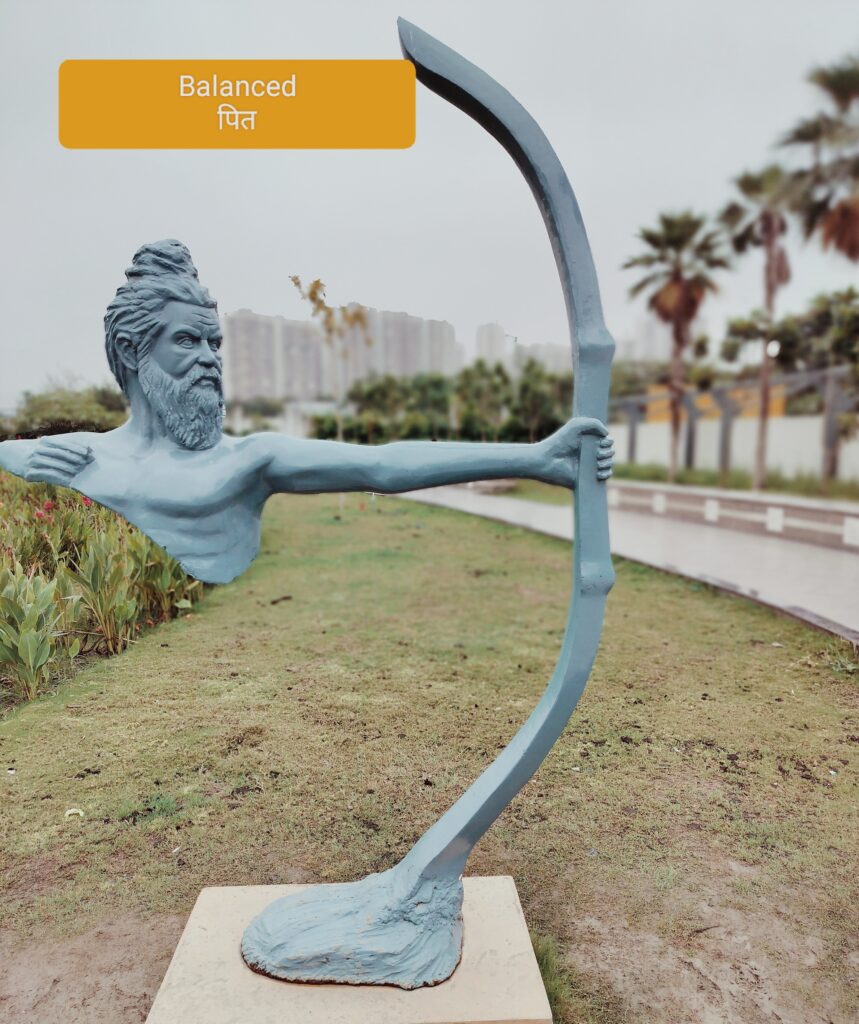
-Imbalnced पित
anger
Irritability
frustration
criticism
impatience
-Balanced कफ
Love
compassion
patience
Grounded Ness
loyalty
steadiness
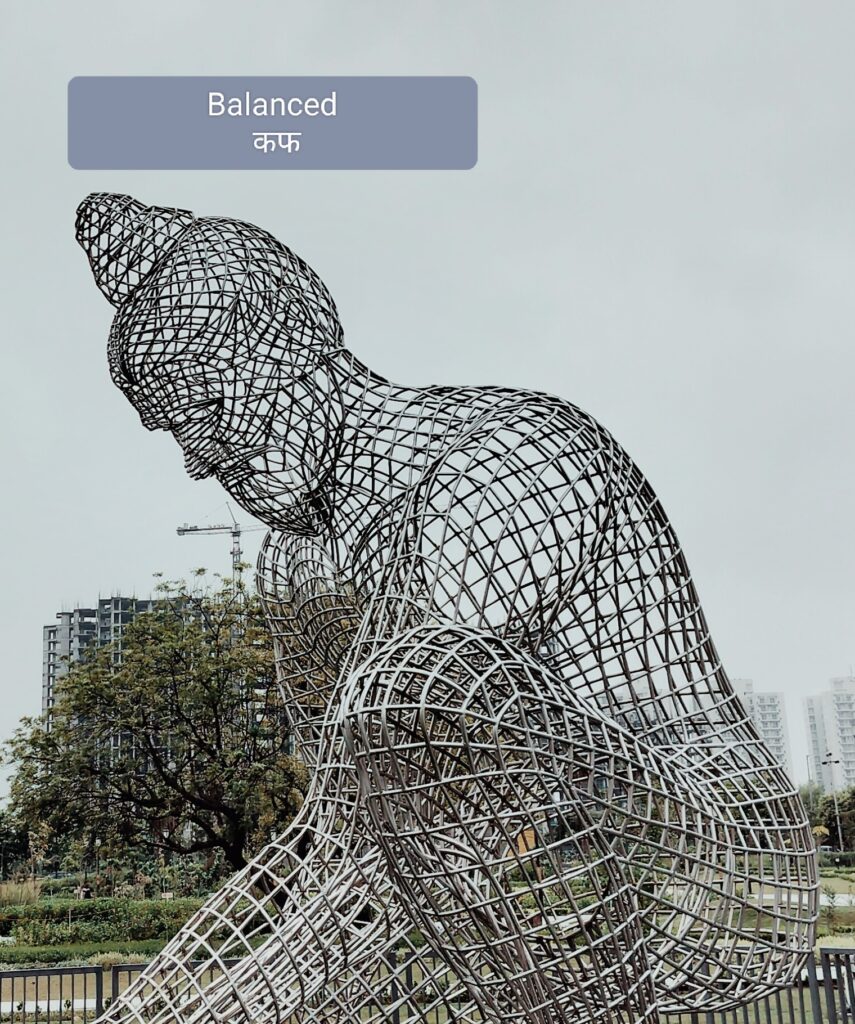
-Imbalanced कफ
lethargy
laziness
depression
stubbornness
greed
Emotional possessiveness
*Guidance From Ayurvedic practitioners
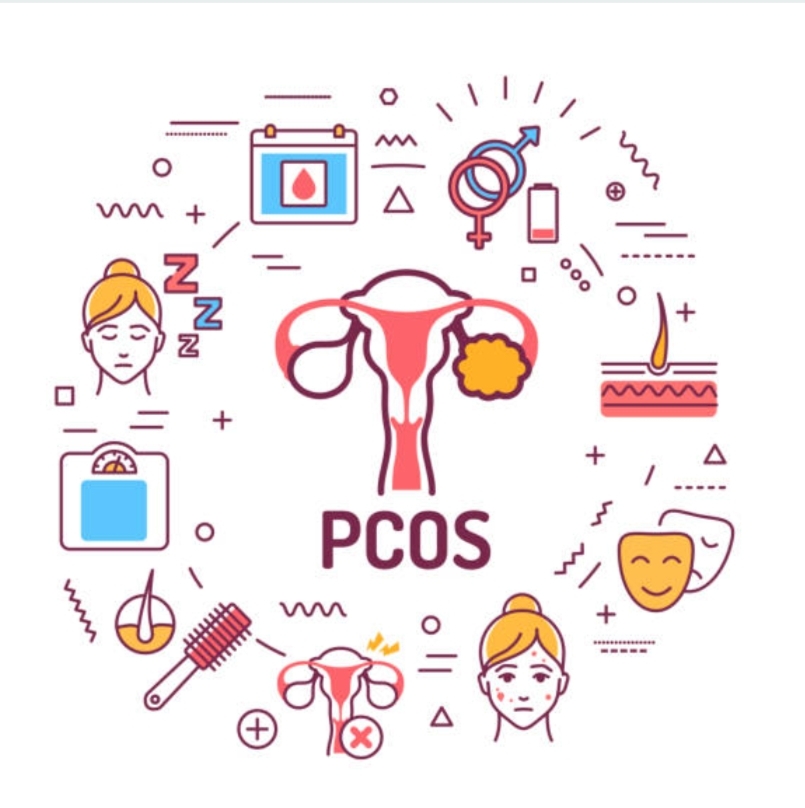
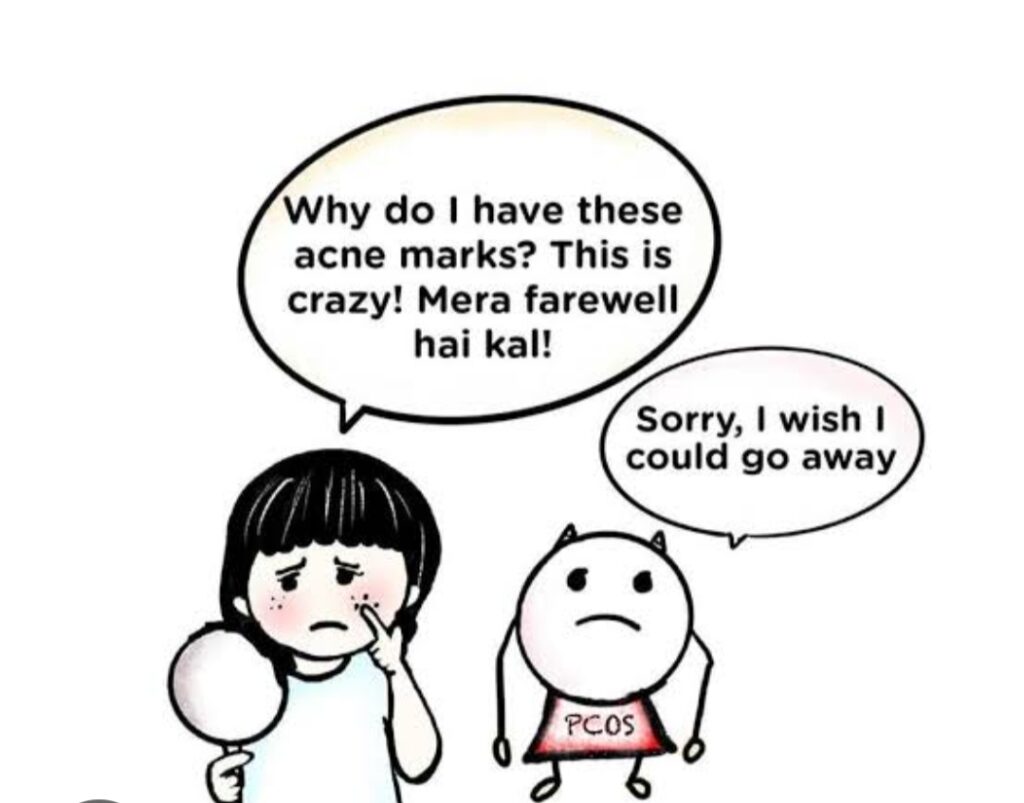
What is PCOD
conditions in which women ovaries produce immature or partially mature eggs in large numbers over the time those become cysts in Ovaries
Symptoms-
-:Irregular menstrual cycle
•Hair Loss
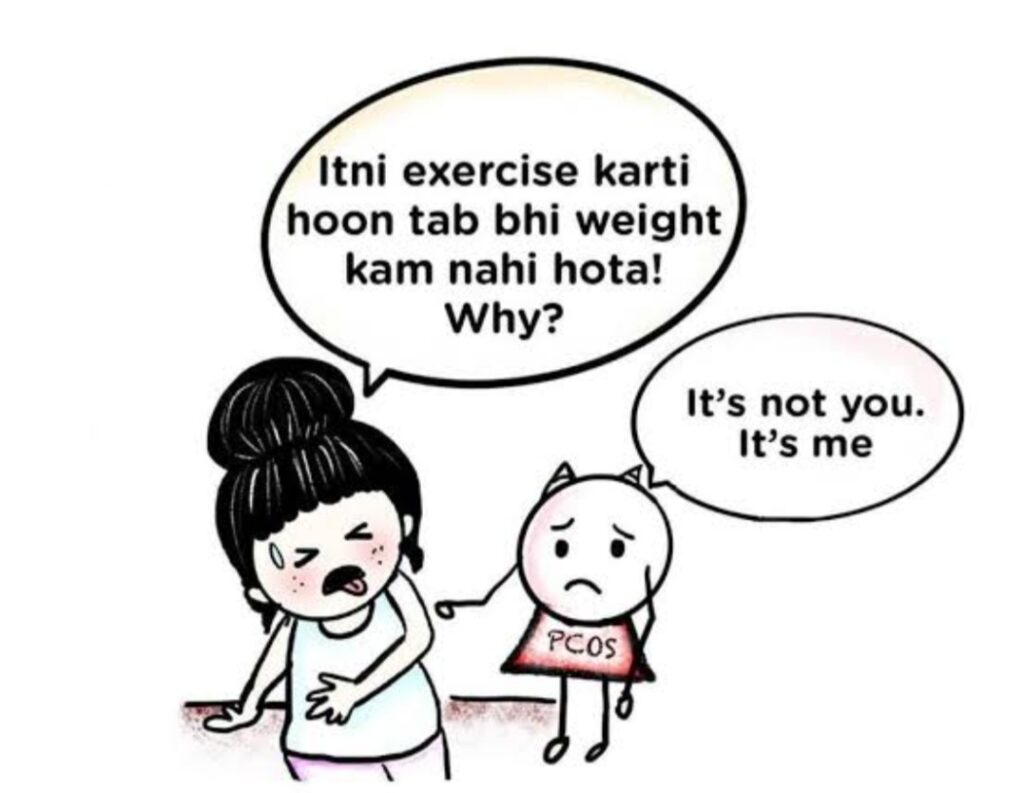
•Abnormal weight gain
•Excessive Hair growth on face,chest,belly
•Acne
•Mood Changes
•Troubling in conceiving(infertility)
•Fatigue
•Insulin resistance
•High testosterone
Some friendly food for PCOD
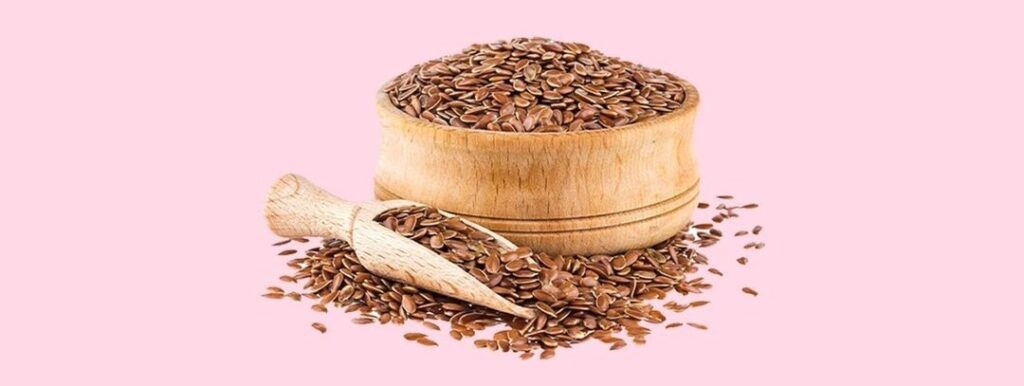
Flaxseeds
Turmeric
Omega 3
Berries
Alovera juice
Jaggery
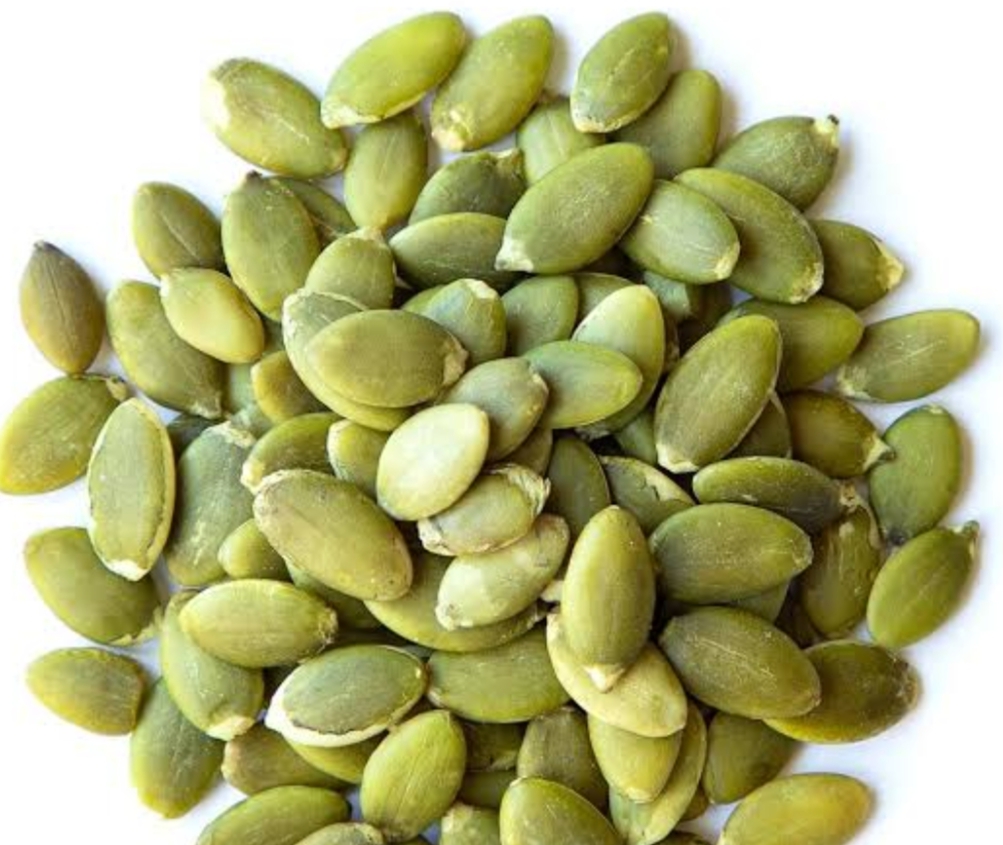
Pumpkinseeds
Fenugreek seeds
Cinnamon
Walnuts
yoga and Exercises

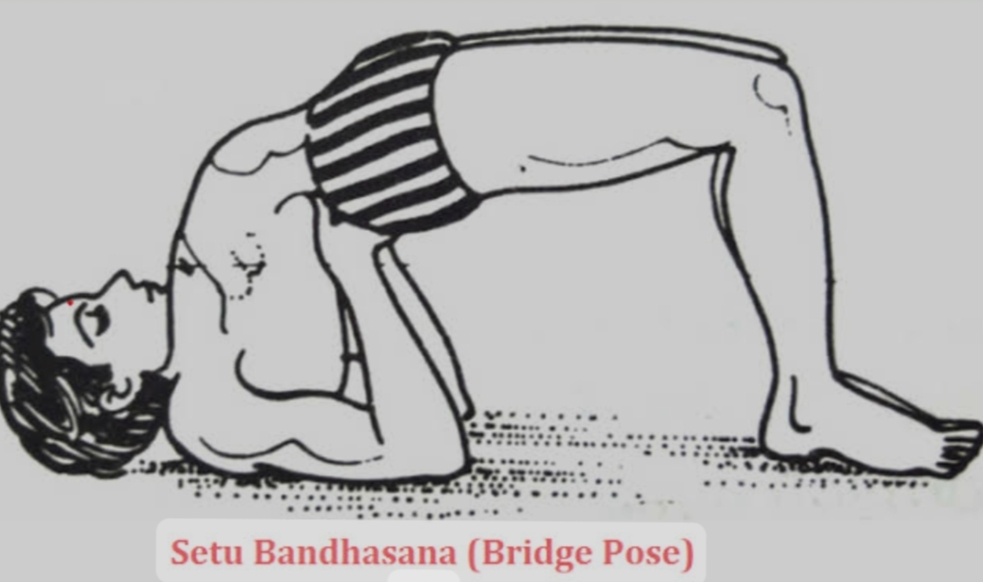
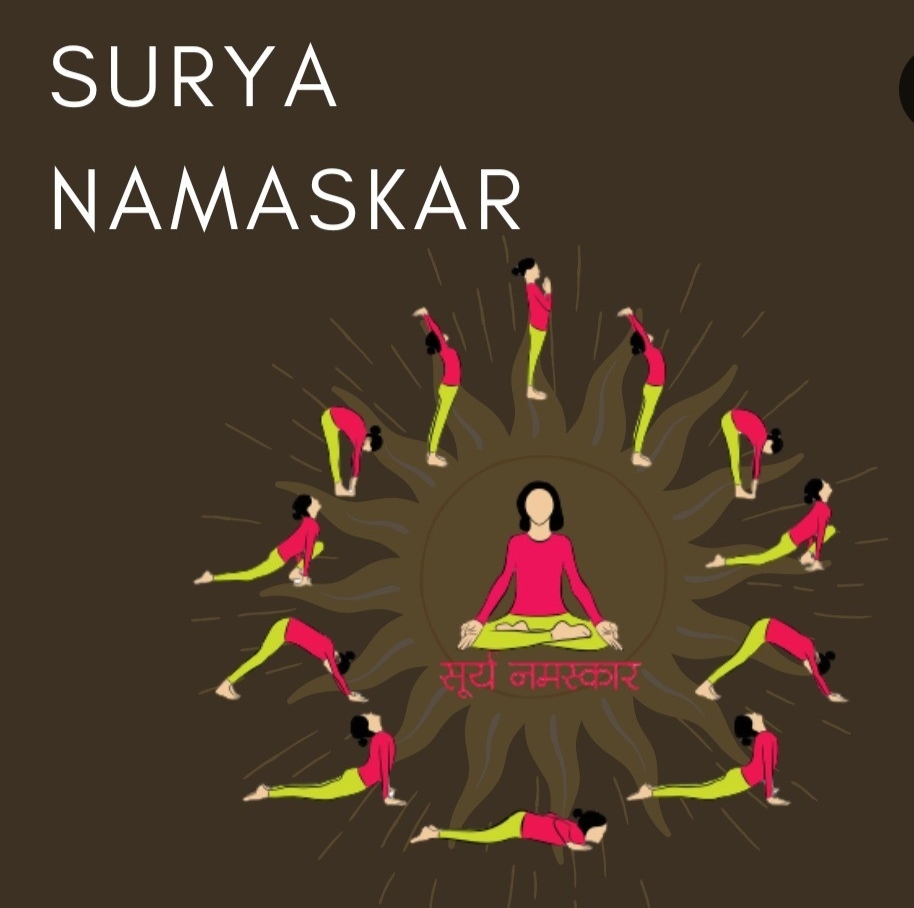
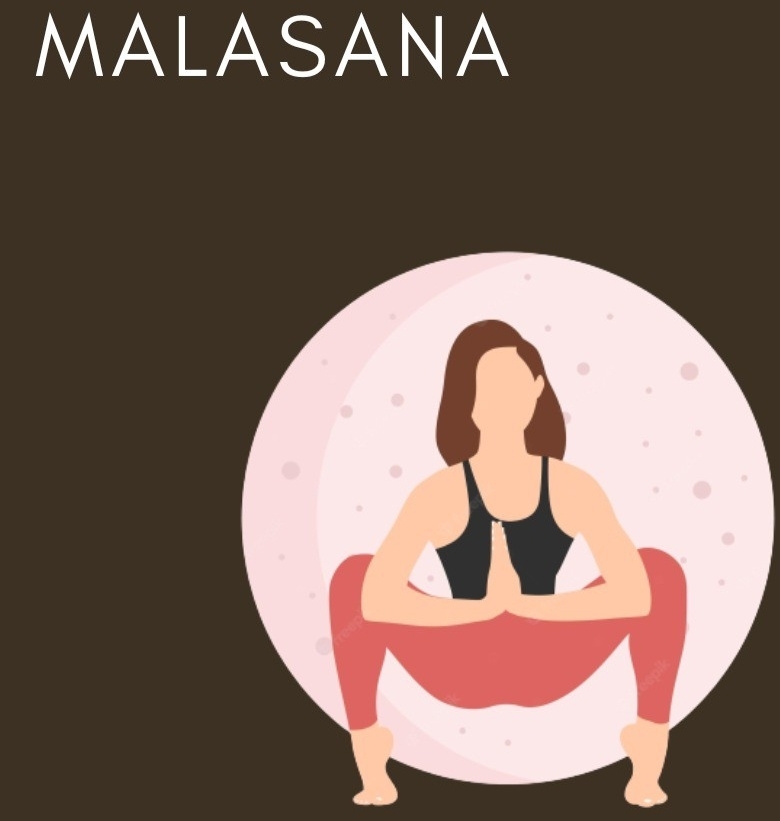
Malasana
Chakrasan
Setubandhasan
Surya Namaskar
Brisk walk and cycling
For proper Medication and Diet
Pls contact -8209517627
Dr.Gurmeen kaur Ahuja
consultant Ayurvedic physician [BAMS PGDCR]
1.Sweet(मधुर रस)-
Legumes, pulses,ghee, butter,apples, sweet potatoes,nuts,seeds,beans, jaggery etc.
:- It increases the कफ दोष and decreases the वात दोष.
:-Means helpful in insomnia,emiciation, joints pain
:-Disease Indications by excessive taking- obesity, diabetes,cold and cough
2.Sour( अमल रस) –
Vinegar, tomatoes, oranges,cheese ,cream
It enhances the पितऔर कफ and decreases the वात
:-Good for vit c deficiency, hairfall
:-Should avoid by psoriasis, skin itching and kidney diseases
:-Excess taking causes hypertension,dry cough,joints pain
3.Salty(लवन)-
Salt,garlic,sauces
Increases the कफ and पित dosh by overuse and leads to hypertension, osteoporosis
It decreases the वात and पित dosh
Take in normal amount(5gm to 12gm per day) will prevent from iodine and sodium deficiency
4.Bitter(तिक्त)-
Darkchocolates,mushrooms,seasme seeds,collard green
It increases the vaat and decreases the kaph and pit dosh
Should be avoided by insomniac and emiciation patients
And good for dysmenorrhoea(menstrual pain), hormonal imbalances, obesity,skin allergies,liver disorder pateints
5.pungent(कटु)-
Coffee, turmeric, cinnamon,basils, spinach
It increases the pit dosh means it should be avoid by hypertension, hyperacidity and UTI patients
And it balances the kaph dosh means good for cold and cough,blood purification, weight loss
6.astringent(कषाय)-
Moong daal, bitter gourd, bayleaf,caromseeds, coriander seeds
Basically it is good for blood purifier, hypertension, liver disorders and hypothyroid because it balances the pit and kaph dosh
Author – Dr.Gurmeen kaur Ahuja
According to World Health Organisation, Hypertension is defined as “high or raised blood pressure, is a condition in which the blood vessels have persistently raised pressure. Blood is carried from the heart to all parts of the body in the vessels. Each time the heart beats, it pumps blood into the vessels. Blood pressure is created by the force of blood pushing against the walls of blood vessels (arteries) as it is pumped by the heart. The higher the pressure, the harder the heart has to pump.” Hypertension ̶ or elevated blood pressure ̶ is a serious medical condition that significantly increases the risks of heart, brain, kidney and other diseases.
So, Hypertension is basically the Force Exerted by the blood against the walls of arteries is too high, usually the blood pressure is 140/90 mm of Hg and in severe cases it can go upto 180/120 mm of Hg
According to Maanasi Menon and Akhilesh Shukla article published on NCBI website ,To gain a deeper understanding of hypertension after studying Shad Kriyakala (six stages of Dosha imbalance) and Avarana of Doshas (occlusion in the normal functioning of the Doshas) and the modern pathogenesis of hypertension. Hypertension without specific symptoms in its mild and moderate stages cannot be considered as a disease in Ayurveda. It appears to be an early stage of pathogenesis and a risk factor for development of diseases affecting the heart, brain, kidneys and eyes etc.
As per World Health Organization report, about 40% of people aged more than 25 years had hypertension in 2008
Improper food habits and modern sedentary lifestyle with or without genetic predisposition provokes and vitiates all the Tridoshas to trigger the pathogenesis of hypertension.
It is proposed that hypertension is to be understood as the Prasara–Avastha which means spread of vitiated Doshas from their specific sites, specifically of Vyana Vata, Prana Vata, Sadhaka Pitta and Avalambaka Kapha along with Rakta in their disturbed states.
The Avarana (occlusion of normal functioning) of Vata Dosha by Pitta and Kapha can be seen in the Rasa-Rakta Dhathus, which in turn hampers the functioning of the respective Srotas (micro-channels) of circulation.
In General language, causes of hypertension are imbalanced lifestyle and improper nutrition and improper food, also in some cases, due to diabetes, chronic diseases like Kidney disorders or SLE, or due to the reasons of family history also.
General reasons of our lifestyle and other issues causing Hypertension are as follows :
A number of experts says that Ayurvedic medicines like Jatamansi, Sarpgandha and Amalki can be helpful in hypertension
There are many concoctions are available to treat a hypertension patients as per their conditions are listed below for reference to physicians only.
Consuming Wheat, Barley, Millets flour, Green vegetables, Ginger, Lemons, Sahijan (Moringa), Citrus fruit (Grapes, Oranges etc.) Arjun Bark boiled in milk ( Arjun Ksheer Paak), Gud ( Jaggery), Shahad/Madhu ( Honey), Black Grams ( Kale Chane), Omega 3 fish oil supplements
Regular excercise and non sedentary lifestyle
Synthetic and junk Food, Ghee ( Clarified Butter), Dalda (Vegetable oils), Maida, Besan (Gram Flour), Pistachios, Alcohol, Smoking,Oily Food, Cake, Pasteries etc.
Adopting Lazy and Sedentary lifestyle.